Revenue Rebuild™
A rebuild of the operating system behind modern outbound
Not a course. Not a framework
A working engine your team keeps running
Buyers changed and the technology around the sale changed. Revenue Rebuild is the response. I work alongside leadership, managers and SDRs to rebuild targeting, messaging, conversations, coaching, management and the technology underneath them. Then I hand the system back and stay close while your team runs it themselves.

- Who it's for
- Founders and sales leaders building repeatable outbound or repairing a motion that has stalled.
- How we work
- Live working sessions, implementation between sessions, call review and leadership inspection.
- Typical scope
- 45–90 days for a rebuild, scoped after diagnosis. Ongoing operating support when the team needs continued inspection and coaching.
Built from nearly two decades inside outbound
"I don't teach outbound.
I rebuild outbound operating systems."
Most calls start the same way
- Pipeline has quietly flattened and nobody can say exactly why
- SDRs are hitting activity but conversations feel thin
- Managers are reviewing dashboards instead of listening to calls
- New reps take two quarters to sound like they belong on the phone
- Monday forecast calls have turned into guessing
- Leadership can feel something is off but can't point to it
- 01Diagnose
- 02Rebuild
- 03Execute
- 04Coach
- 05Inspect
- Targeting
- Messaging
- Calls
- Coaching
- Management
- Pipeline
What the team feels a few weeks in
- Reps stop sounding like every other SDR in your buyers' inbox
- Managers coach conversations, not activity dashboards
- Forecast meetings get shorter and calmer
- Pipeline stops swinging month to month
- New reps get to their first real conversation in weeks, not quarters
- The team runs the rhythm without waiting on leadership
Conceptual operating states · not a performance guarantee
What leadership feels after the rebuild
You can inspect the work before you buy it
Every engagement leaves a written record: what was broken, what we rebuilt, the artifacts produced, and what the evidence does and does not prove. FusionAuth is the reference example of a full Revenue Rebuild.
From SDR training to an embedded outbound operating system
The same six phases on this page, run inside a live team: diagnosis, targeting, campaign construction, live-call coaching, and a weekly inspection cadence the team can run internally.
- Weekly coaching and inspection cadence· Engagement record
- Improved connect performance during execution· Calling data
Turning founder-led sales into an installable system
Founder-led sales system documented and installed · Engagement deliverables
Report 003Building a founder-led outbound foundation
Account-selection framework, CRM foundation and documented founder handoff · System build and handoff
Report 004
From one-off training to a 14-week SDR performance system
50% Q2 → 81% Q3 → low-90s Q4 · Ryan O'Donnell · client testimonial
Report 002
Stabilizing an inherited SDR team
Behavior and process change in under one month · Client testimonial
Report 005Scope differs by engagement. Some were full rebuilds, some were founder-led system builds, some were enablement and stabilization work. Each report states its own scope, sources and limits.
What Revenue Rebuild actually looks like
- 01 / 04
Get inside the motion
Calls, emails, CRM and pipeline, plus the manager 1:1s where the work gets inspected.
- 02 / 04
Fix the highest-leverage constraint first
Not everything at once. We name the constraint that is weakening the rest of the system.
- 03 / 04
Run it live
Real accounts, real calls and real feedback, with implementation and iteration between sessions.
- 04 / 04
Install the rhythm
Manager inspection, coaching and handoff make the work repeatable so Tom becomes unnecessary.
The cadence is practical: live working sessions, call review, implementation between sessions and leadership inspection of what changes in the motion.
One system. Rebuilt in order
Each phase depends on the one before it. You can't coach a call that isn't happening, and you can't forecast a pipeline you don't trust.
- Phase 01 / 06
Diagnose
We sit inside the motion. We listen to calls, read the emails going out, sit in on pipeline reviews and watch a 1:1.
Why it matters. Most teams are solving symptoms. Activity is loud. The real problem is usually quieter.
What leaves the phaseYou leave with a clear read on what's actually broken, in the order it needs to be fixed. - Phase 02 / 06
Messaging
We rewrite messaging around the pain your buyer actually feels, not the pain your website talks about.
Why it matters. Buyers don't reply to features. They reply when someone finally sounds like they understand the job.
What leaves the phaseYour reps start hearing 'how did you know to reach out about that' instead of 'not interested.' - Phase 03 / 06
Calls
We coach real conversations with real buyers. In real time. With real money on the line. No role plays. No theory.
Why it matters. Reps don't change from watching a course. They change from being coached inside a real conversation.
What leaves the phaseYour team can hold a cold conversation, handle the pushback, and earn the next meeting on their own. - Phase 04 / 06
Coaching
We build a weekly coaching rhythm around call review, the kind managers used to do before dashboards took over.
Why it matters. You can't coach a rep out of a spreadsheet. You coach them out of what you heard on Tuesday's call.
What leaves the phase1:1s stop being status updates. They start actually changing how the rep sounds next week. - Phase 05 / 06
Management
We rebuild how leaders run the team: pipeline reviews, forecast calls, escalations, ride-alongs. The boring stuff that actually runs everything.
Why it matters. The manager operating system is the ceiling on the team. Nothing above it can outperform it.
What leaves the phaseMonday morning stops being anxious. You know what's real in the forecast and what isn't. - Phase 06 / 06
Operating Rhythm
We hand the system back and stay close while the team runs it themselves. The goal is for me to become unnecessary.
Why it matters. If the system only works while I'm in the room, it doesn't work.
What leaves the phaseThe engine keeps producing after I leave. That's success. Not dependency.
- 01Targeting
- 02Messaging
- 03Calls
- 04Conversation
To see these phases running inside a live team, read the FusionAuth field report. For a founder-led version of the same system, read the Visual Identity Group handoff.
Who this is built for
- Founder-led SaaS still figuring out repeatable outbound
- VP or Head of Sales who inherited a team that stopped converting
- SDR teams roughly 5–25 reps
- $10k+ ACV, considered purchase, real buying committee
- Outbound that used to work and quietly stopped
- Companies building outbound properly for the first time
- North America, UK, and English-speaking markets
- Looking to outsource SDRs
- Looking for appointment setters
- Need lead lists
- Shopping software
- Looking for a sales methodology to badge onto the team
- Pre-product-market-fit, where outbound won't fix it
The operating system we build together
These aren't templates. They're the systems your team actually runs after I'm gone. You can see a conceptual summary of them in the ServiceChannel Field Report.
Who gets worked and why
What buyers hear and why it matters
How reps open, diagnose and earn the next step
How written outreach earns attention without sounding automated
What gets inspected weekly
How the team separates movement from noise
How managers turn call evidence into better execution
What gets heard, tagged and coached
What leadership can trust
What the team keeps after handoff
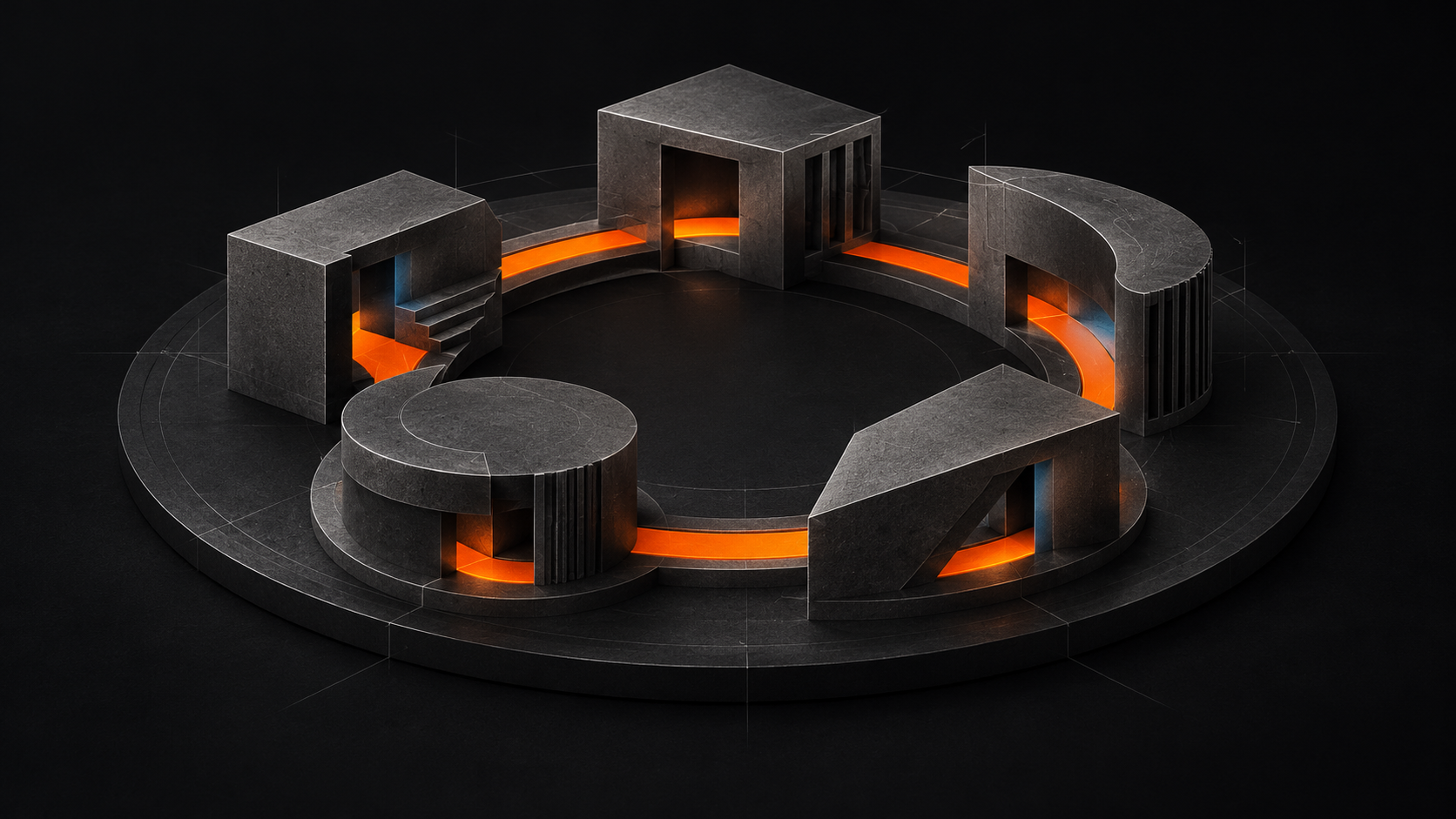
Conceptual illustrations of documented engagements. Open the Field Reports to see what was built, what changed and what the evidence supports.

Every engagement is shaped around the business
Every engagement starts the same way. We diagnose what's actually broken.
Some companies need a complete rebuild. Others only need leadership coaching. Others already have the right people, they're just running the wrong operating rhythm.
The work is customized around what your business actually needs. No fixed packages. No unnecessary work.
Scoped after diagnosis for teams whose operating system needs real rebuilding. Tom works alongside leadership, managers and SDRs for a focused 45–90 day engagement.
For teams whose system exists but needs ongoing inspection, call review, coaching and support at the manager layer as they scale.
Investment is discussed after we diagnose the problem together. It should match the size of the rebuild, not a menu.
The real cost is the drag
Companies don't lose because reps aren't working. They lose because the system underneath the reps has quietly stopped working.
Managers coach the wrong things. Messaging sounds like everyone else. Forecasts turn into guesses. Pipeline becomes something nobody can explain. Leadership slowly loses confidence. Every month the drag compounds.
The goal isn't buying consulting. The goal is removing the hidden tax of a broken outbound operating system.
- Managers coaching the wrong things
- Messaging that sounds like everyone else
- Forecasts that turn into guesses
- Leadership confidence eroding quietly
- New hires taking two quarters to ramp
- Pipeline that swings and can't be planned around
Why I do this
I've spent nearly two decades inside outbound. SDR. AE. Manager. Director. Founder. I've made the mistakes, and I've watched them get made again by the next team.
I'm not teaching theory. I'm rebuilding systems I've personally built, broken, managed, and fixed inside real companies with real quotas and real boards.
Most outbound teams don't fail because the people are wrong. They fail because the operating system around them was never built. That problem is fixable. And fixing it changes the company.
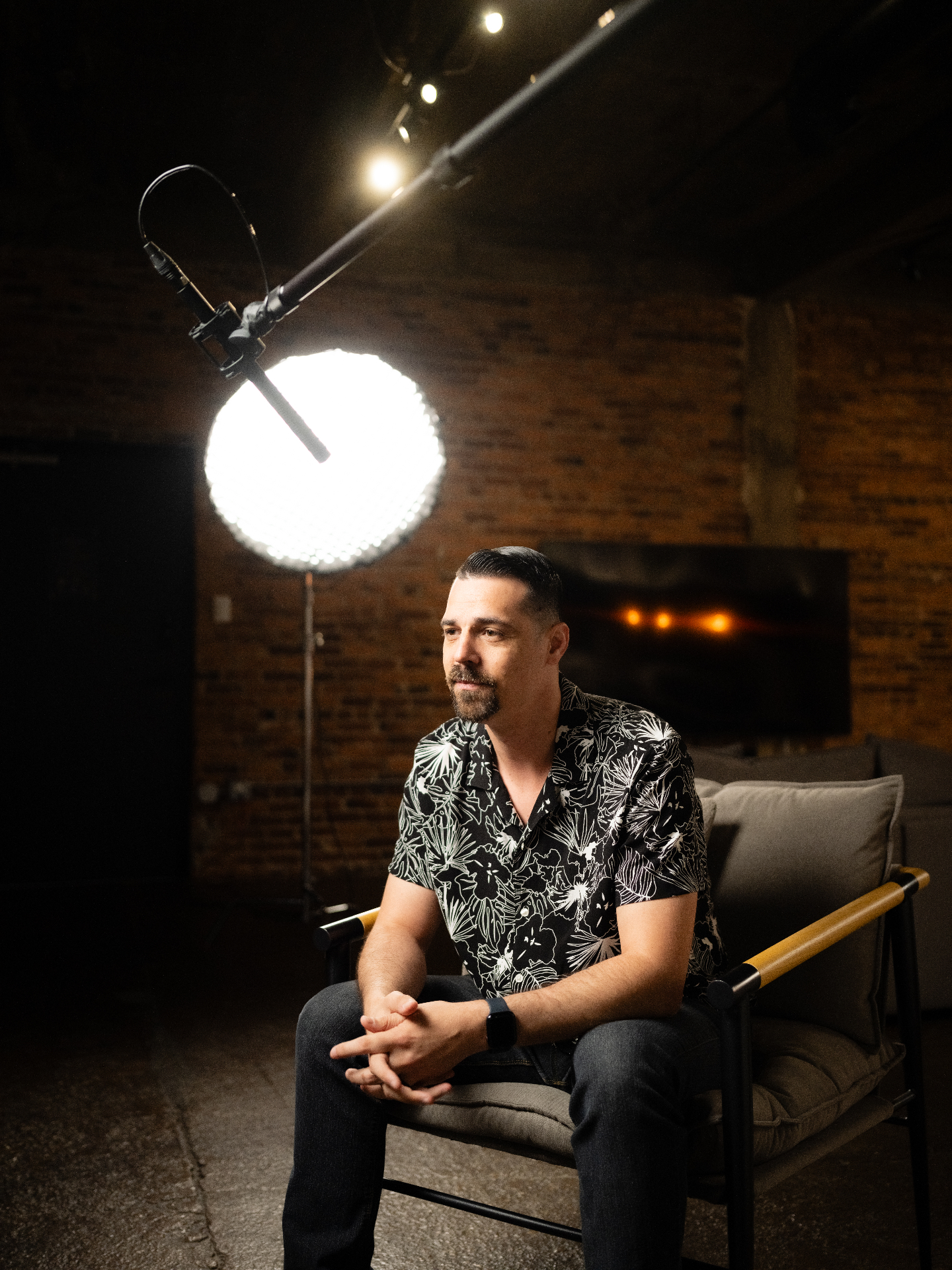
The operator behind the rebuild
I've spent nearly twenty years inside outbound as an SDR, AE, manager, director, founder, and consultant.
I've watched the same problems appear inside startups, growth-stage SaaS companies, and enterprise organizations.
The issue usually isn't effort. It isn't activity. It isn't software. It's the operating system underneath the team.
Revenue Rebuild is the process I wish existed earlier in my career.
Let's find what's actually broken
If your team is working but qualified conversations and pipeline aren't following, let's find the likely constraint. In a 30-minute strategy call, we'll review what you're seeing, decide what to inspect first and tell you honestly whether a rebuild makes sense.
No slides. No pressure. No generic sales pitch. Just an honest conversation.